Guide
House Painting Cost NZ: What to Budget (2026)
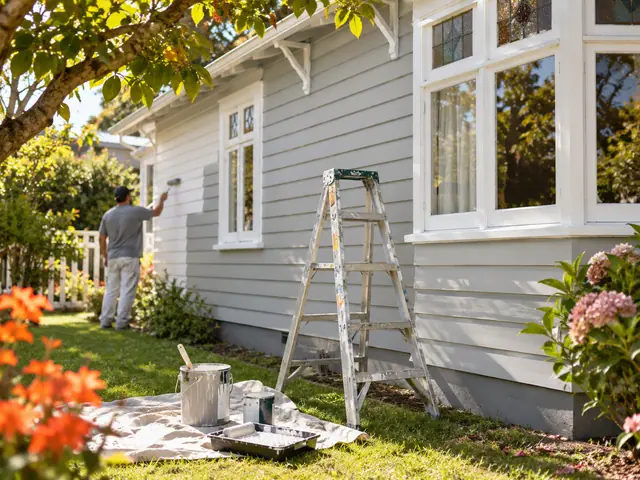
We don't publish a per-square-metre price: it depends on the house, its condition and the paint system. This guide covers what goes into a painting quote, the lead-paint precautions official NZ guidance sets for older homes, and the legal protections that apply.
What drives the price
Painting quotes vary widely because the job varies widely. The main factors are:
- Size and access. This includes the wall and trim area, the number of storeys, and whether scaffolding is needed.
- Preparation. Washing, scraping, sanding, filling, priming and replacing rotten boards often take longer than the painting itself.
- Condition and existing coatings. Flaking or chalky paint needs more preparation. Older homes may also have lead-based paint, which needs extra precautions (see below).
- Paint system. This covers the number of coats, the product range and colour changes.
- Inside or outside. Exterior work depends on the weather, so allow time for delays.
Ask each painter to break their quote down into preparation, materials, labour, scaffolding and disposal. That way you can compare like with like.
Older homes: lead-based paint
WorkSafe advises that if a building was built in the 1980s or earlier, you should presume it has been painted with lead-based paint. Lead dust and fumes can cause serious illness.
Official NZ guidance (WorkSafe and Health New Zealand) says that during preparation:
- keep children and pets away from the work area;
- collect paint debris on drop sheets;
- prefer wet sanding (Health NZ’s preferred method for reducing dust), then wet-wipe surfaces and use a commercial vacuum with a high-efficiency dust filter;
- wear a properly fitted toxic-dust respirator when sanding, making dust or using heat to strip paint;
- never burn paint debris;
- don’t use abrasive blasting on properties built or painted before 1970.
Ask any painter how they will test for lead and manage it. Make sure their answer is written into the quote.
Do you need a building consent?
Usually not for repainting. Under Schedule 1 of the Building Act 2004, repair and maintenance using comparable materials is generally exempt building work.
There are exceptions. One is repairing or replacing building elements that have failed the Building Code’s durability requirements, for example cladding that has let water in. If your painter finds rot or leaks, check with your council before going further.
Contracts and the 12-month defect period
For residential building work costing $30,000 or more (including GST), the Building Act requires two things:
- a written contract;
- before you sign, a disclosure statement and consumer-protection checklist from the contractor.
You can ask for these on smaller jobs too.
For residential building work of any price, there is also a 12-month defect repair period from completion. Notify the contractor of defects in writing within that period, and they must put it right within a reasonable time. Implied warranties under the Building Act apply for up to 10 years after that.
Separately, the Consumer Guarantees Act requires services to be carried out with reasonable care and skill, and completed within a reasonable time.
Comparing quotes
- Get written quotes (not estimates) from at least three businesses, as Consumer Protection suggests for larger jobs.
- Check that each quote covers the same preparation, the same number of coats and the same product range.
- Confirm who supplies the scaffolding and whether it is included.
- Ask how they handle weather delays and rotten timber found during preparation.
- Ask whether they belong to a trade association. Consumer Protection notes that membership may give you a free, independent dispute-resolution process or extra warranties. Check what the membership actually offers.
- Agree any extras up front: in Consumer Protection’s own painting example, a painter added a travel charge that wasn’t in the quote, and the customer didn’t have to pay it.
Sources
All links were opened and checked on 2026-10-26. Rules, fees and prices change, so check the source before you rely on it.
- Quotes and estimates, Consumer Protection (MBIE)
- Managing lead-based paint, WorkSafe New Zealand
- Lead-based paint, Health New Zealand | Te Whatu Ora
- Protection for homeowners, Building Performance (MBIE)
- Once building work finishes, Building Performance (MBIE)
- 1.1 General repair, maintenance, and replacement, Building Performance (MBIE)
- Consumer Guarantees Act, Consumer Protection (MBIE)
General information only. This guide summarises public guidance from New Zealand agencies. It isn't legal advice. For a dispute, contact Consumer Protection, Citizens Advice Bureau or a lawyer.